
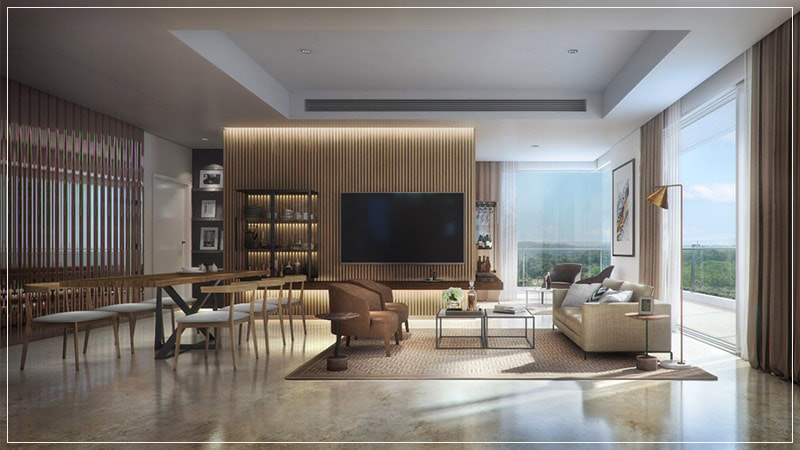
Buying a property is one of the biggest financial decisions for most families. But many buyers get confused between choosing a villa or apartment.
Both options have advantages, but the right choice depends on lifestyle, family size, budget, privacy needs, and long-term plans.
Some buyers prefer apartments because they are affordable and easier to maintain. Others choose villas for bigger living areas, privacy, and luxury lifestyle.
Before spending a large amount on property, understanding the difference between villa and apartment helps buyers avoid confusion and choose a home that matches their needs.
Today, luxury housing communities in cities like Gurgaon, Bangalore, Pune, and Hyderabad are offering both villas and premium apartments, giving buyers more choices than before.
The difference between villa and apartment is based on privacy, ownership, cost, and living style. A villa is an independent property with larger living area and better privacy, while an apartment is a unit inside a shared building with common facilities, lower maintenance, and better affordability.
What Is a Villa?
A villa is an independent residential property, often located inside a gated community. Unlike apartments, villas usually come with personal land ownership, more open area, and better privacy.
When buyers think of premium living, villas often come to mind because they offer larger layouts and more independence.
Key features of a villa:
- Independent structure with no shared walls
- Private entrance, garden, lawn, or open courtyard
- Often comes with a private parking area
- Full control over the interior layout and future modifications
- You own both the building and the land (freehold)
- Typically 2,500–5,000+ sq ft in size
- Located mostly in suburban areas, gated villa townships, or city outskirts
Since villas are independent homes, owners usually have more control over their property compared to apartment owners.
For families wanting peaceful surroundings and larger living area, villas are often considered a premium housing option.
| Feature | Villa |
| Ownership | Independent property |
| Privacy | High |
| Living Area | Large |
| Land Ownership | Yes |
| Open Area | More |
| Maintenance | Owner responsibility |
Luxury villas are especially popular among business owners, larger families, and buyers wanting long-term family homes.
What Is an Apartment?
An apartment is a residential unit inside a larger building where multiple families live together.
Unlike villas, apartments share several common facilities and areas with other residents.
Key features of an apartment:
- Unit within a multi-floor building
- Shared amenities: clubhouse, gym, swimming pool, security
- Managed maintenance through a housing society or RWA
- Compact and efficient floor plans (typically 600–2,500 sq ft carpet area)
- Located in urban and peri-urban areas, close to offices and schools
- Easier to resell and rent due to broader buyer and tenant demand
- Multiple configurations: studio, 1BHK, 2BHK, 3BHK, 4BHK, penthouse, duplex
Apartments are designed mainly for city living, especially in locations where land prices are high.
For first-time buyers, apartments often become the preferred choice because of affordability and convenience.
Many buyers searching apartment vs villa often choose apartments because they offer modern facilities without requiring heavy maintenance work.
| Feature | Apartment |
| Ownership | Unit inside building |
| Privacy | Moderate |
| Living Area | Compact to medium |
| Shared Facilities | Yes |
| Cost | More affordable |
| Maintenance | Society managed |
Today, premium apartments are becoming more spacious and luxury-focused, giving buyers a wider choice.
Villa vs Apartment: Quick Comparison
Before going deeper, here is a quick comparison table to understand the villa and apartment difference.
| Factor | Villa | Apartment |
| Ownership | Land + building (freehold) | Unit only (undivided land share) |
| Space | 2,500–5,000+ sq ft | 600–2,500 sq ft (carpet area) |
| Privacy | Full — no shared walls | Shared walls, floors, corridors |
| Location | Suburban, township, city outskirts | Urban, peri-urban, city centres |
| Entry cost | ₹2 crore to ₹20 crore+ | ₹40 lakh to ₹5 crore+ |
| Maintenance | Self-managed, higher cost | Shared cost, lower individual burden |
| Customisation | High — renovate freely | Limited by building rules |
| Security | Private arrangement needed | Centralised security provided |
| Rental yield | 2–3% annually | 3–5% annually |
| Capital appreciation | Strong, especially long term | Steady, liquidity advantage |
| Resale speed | Slower — niche buyer pool | Faster — larger buyer and tenant pool |
| RERA compliance | Applicable | Applicable |
| Best for | Families, HNIs, long-term residents | Professionals, investors, nuclear families |
This simple table gives buyers a better understanding of the difference between apartment and villa.
Difference Between Villa and Apartment in Privacy
Privacy is one of the biggest reasons buyers compare villa vs apartment before making a decision.
Privacy in Villas
Villas offer a more independent lifestyle. A villa is a standalone structure. There are no shared walls with neighbours, no footsteps from the floor above, no noise from a lift shaft beside your bedroom wall. This structural independence creates a level of quiet and personal freedom that no apartment — however well designed — can fully replicate.
Since villas usually do not share walls with multiple neighbours, residents often enjoy:
- Lower noise levels
- Personal outdoor area
- Private parking
- Separate entrance
- No shared walls
- Private entrance
For buyers wanting peaceful living, villas feel much more comfortable.
Families with children or elderly parents often prefer villas because of quieter surroundings.
Another benefit of villas is personal freedom. Owners usually get more flexibility in property changes, outdoor design, and home usage.
Privacy in Apartments
Apartments provide moderate privacy. Apartments offer what is best described as structured privacy — your unit is yours alone, but you share the building’s systems, circulation spaces, and some infrastructure with dozens or hundreds of neighbours.
Residents usually share:
- Corridors
- Lift access
- Parking spaces
- Shared walls
- Entrance lobby and main gate
In apartments, neighbours live close to each other, so privacy levels may feel lower compared to villas.
However, many luxury apartment communities now include better planning and larger layouts to improve comfort and privacy.
For buyers who enjoy community living, apartments still work extremely well.
The honest answer: If space and absolute privacy are your top two priorities, a villa is the clear choice. If you want a comfortable, low-maintenance home in or near a city, a well-laid-out apartment works very well.
Difference in Cost Between Villa and Apartment
Budget is one of the most important deciding factors.
For most buyers searching villa or apartment which is better, cost plays a major role. Cost is where the gap between these two property types is most stark — and it goes beyond just the purchase price.
Why Villas Cost More?
Villas generally cost more because buyers pay for:
- Larger land size
- Bigger construction area
- Personal open surroundings
- Higher privacy level
When you buy a villa, you are paying for several things that apartment buyers split across many owners:
- Land cost in full — you own the entire plot, not a fractional undivided share
- Full construction cost — every square foot of the structure belongs to you alone
- Private outdoor infrastructure — garden, driveway, compound wall, private gate
- Lower density premium — fewer units per acre means higher cost per unit for the developer, passed on to buyers
In premium locations, the price gap between a villa and a comparable-quality apartment can be substantial. A 3BHK apartment in Gurgaon’s Golf Course Extension Road might be priced at ₹3–5 crore. A villa with similar bedroom count and finish in a gated community on Sohna Road could easily be ₹10–20 crore.
In premium locations, villas may cost significantly higher than apartments.
Example Comparison
| Property Type | Entry Cost |
| Apartment | Lower |
| Villa | Higher |
Villa ownership also includes higher long-term maintenance expenses.
Because of the higher cost, villas are often preferred by luxury buyers or families planning long-term living.
So, we can say that Apartments are generally easier to buy because:
- Land cost is shared
- Construction cost is divided
- Space usage is efficient
For middle-income buyers and professionals, apartments usually feel more financially comfortable.
Difference in Living Area and Home Size
One major difference between villa and apartment is the amount of living area available.
Villa Living Area
Villas usually offer:
- Larger bedrooms
- Bigger kitchens
- More storage area
- Personal terrace
- Private lawn
Since villas are independent homes, families usually get more breathing room.
People who work from home often prefer villas because additional rooms provide more flexibility.
Apartment Living Area
Apartments are usually designed for efficient use of city land.
Most apartments offer:
- Smart layouts
- Compact planning
- Shared facilities
Although luxury apartments now include spacious layouts, villas still generally provide more overall living area.
For larger families, space becomes an important factor. Modern premium apartments have made significant strides in layout efficiency. Larger balconies, double-height living rooms, private terrace units, and smart storage designs make today’s apartments far more livable than what the same budget offered a decade ago. But on absolute area, villas maintain a clear advantage for buyers who prioritise space above all else.
Difference in Maintenance and Daily Management
Maintenance is often ignored during buying decisions, but it affects long-term comfort. Maintenance is one of the most underestimated differences between villa and apartment living. It does not show up in the brochure, but it affects your time, money, and energy every month for as long as you own the property.
Villa Maintenance
In a villa — particularly an independent one — you are the manager of everything. Every repair, upgrade, or routine task falls to you. This includes:
Maintenance may include:
- Garden cleaning
- Exterior painting
- Water systems
- Plumbing issues
- Outdoor repairs
This may require extra time and spending.
For some families, this feels rewarding because they enjoy independent ownership.
For others, it may feel stressful.
Apartment Maintenance
Apartment living is easier in terms of daily management. The housing society or Resident Welfare Association (RWA) handles the vast majority of common area and building maintenance in an apartment.
Housing societies generally handle:
- Security services
- Lift repairs
- Common cleaning
- Gardening work
- Facility maintenance
Residents pay monthly maintenance charges, but daily responsibility becomes lower.
Busy professionals often prefer apartments because of this convenience.
Difference in Lifestyle and Amenities
Lifestyle preferences strongly influence the difference between villa and apartment decision.
Villa Lifestyle
Villa living is built around the idea of independent ownership. Your home is your own — physically separate from your neighbours, with its own identity, its own entrance, and its own outdoor character.
Villa living suits buyers wanting:
- Bigger personal area
- Quiet environment
- Family privacy
- Premium surroundings
Villa communities often feel peaceful and less crowded.
People who prefer independent living usually choose villas.
Apartment Lifestyle
Apartment living is community-driven. Modern premium apartments are essentially self-contained lifestyle communities. Without leaving the complex, residents often have access to:
- Swimming pool and children’s pool
- Fully equipped gym and yoga studio
- Clubhouse for social events, parties, and celebrations
- Dedicated children’s play areas
- Walking and jogging tracks
- Indoor sports facilities (table tennis, squash, badminton in premium projects)
- Multipurpose halls for community events
- Concierge and housekeeping support (in super-premium projects)
Many buyers today prefer premium apartments because they offer modern lifestyle facilities in one place.
In luxury real estate markets, homebuyers often compare spacious apartments and villas depending on daily convenience and long-term lifestyle goals.
Difference in Security Apartment Vs Villa
Security matters for families, especially in metro cities.
| Security Feature | Villa | Apartment |
| CCTV | Community-based | Common |
| Security Staff | Depends on project | Strong |
| Visitor Tracking | Limited | Better |
| Emergency Help | Moderate | Easier |
- Security in Villas: Villa security depends heavily on the gated community. Luxury villa projects may include strong safety systems. Still, villas generally feel more private but slightly less secure than apartments.
- Security in Apartments: Apartments usually offer: CCTV monitoring, Security guards, Visitor tracking, Controlled entry. For families prioritising safety, apartments often feel safer.
Villa Investment vs Apartment Investment
Investment goals matter while comparing villa investment vs apartment investment.
Villa Investment Benefits
Villas may offer:
- Better land appreciation
- Higher premium resale value
- Luxury market demand
Since land value generally rises over time, villas can perform strongly in premium locations.
However, the investment amount is much higher.
Apartment Investment Benefits
Apartments usually provide:
- Strong rental demand
- Easier resale
- Lower investment amount
In metro cities, apartments often perform better for rental income because working professionals prefer them.
For many investors, apartments feel safer because of wider market demand.
Villa vs Apartment for Investment: Which Is Better?
The honest answer is that neither is universally better — it depends on what you want your investment to do.
| Investment Goal | Better Choice |
| Regular rental income | Apartment |
| Long-term capital growth | Villa (land appreciation advantage) |
| First-time buyer, limited budget | Apartment |
| Family home, long-term stay | Villa (if budget allows) |
| Low-maintenance investment | Apartment |
| NRI purchase, strong appreciation | Villa in growth corridor |
| Quick resale, high liquidity | Apartment |
| Multigenerational living | Villa |
| Wealth preservation over 15+ years | Villa in quality location |
Villas make sense for those who want a long-term home that grows in value, offers privacy, and provides a sense of personal space. Apartments are the right choice if you want to live close to your workplace or city centre, prefer managed facilities and low maintenance, and are investing for rental yield or short-term returns.
Types of Villas and Apartments at a Glance
Types of Villas:
- Independent villa (standalone on private plot)
- Villa in a gated township
- Row villa (attached on sides but independent structure)
- Duplex villa (two-floor standalone home)
- Farm villa (outskirts or rural-adjacent)
Types of Apartments:
- Studio apartment (single open-plan space)
- 1BHK, 2BHK, 3BHK, 4BHK standard apartments
- Duplex apartment (two-floor unit inside a building)
- Penthouse (top-floor, premium unit)
- Service apartment (furnished, corporate rental).
Benefits of Villa
| Benefit | Why It Matters |
| Better privacy | Peaceful environment |
| Bigger area | More comfort |
| Land ownership | Strong future value |
| Personal freedom | More flexibility |
Villas work well for buyers wanting luxury and long-term family living.
Benefits of Apartment
| Benefit | Why Buyers Like It |
| Affordable pricing | Easier buying |
| Better maintenance | Less effort |
| Strong amenities | Modern lifestyle |
| Rental demand | Good investment |
Apartments work well for professionals and city-focused buyers.
Conclusion
Understanding the difference between villa and apartment helps buyers make smarter decisions.
A villa offers privacy, larger living area, independence, and luxury lifestyle. An apartment offers affordability, better maintenance, strong amenities, and easier city living.
Before buying, compare:
- Budget
- Family size
- Lifestyle preference
- Security needs
- Future investment goals
The right choice is the one that fits your long-term needs, not just current trends.
What is the main difference between villa and apartment?
A villa is an independent property with larger living area and privacy, while an apartment is a residential unit inside a shared building. Villas offer more space, full privacy, and stronger long-term capital appreciation due to land ownership. Apartments offer better rental yields, lower entry costs, easier maintenance, and higher resale liquidity in urban markets. The better choice depends on your budget, lifestyle, and investment timeline. Buyers with large budgets who want to stay long-term lean toward villas. Investors focused on rental income and liquidity lean toward apartments.
Villa or apartment which is better?
Villas are better for privacy and luxury, while apartments are better for affordability and maintenance. You can also view Hines Elevate for your Premium residential luxury experience.
Which is more expensive villa or apartment?
Villas are usually more expensive because of land ownership and larger living area. Villa maintenance is significantly higher because the owner is responsible for the full exterior and structure, garden, private security (if independent), and plumbing and electrical systems. Monthly villa maintenance can range from ₹10,000 to ₹25,000+, depending on size and whether it is in a managed township. Apartment maintenance is shared across all residents and typically costs ₹5,000–₹15,000 per month.
Which gives better investment return villa or apartment?
Apartments usually offer better rental demand, while villas may provide stronger long-term appreciation in premium areas.
We can assume that – Apartments generate better rental yields (3–5% annually) compared to villas (2–3%). This is because apartment purchase prices are lower relative to achievable rents, tenant placement is faster, and demand from working professionals is broader and more consistent. Villas attract premium tenants who pay higher absolute rents, but the yield percentage remains lower due to the much higher purchase price.





No responses yet